
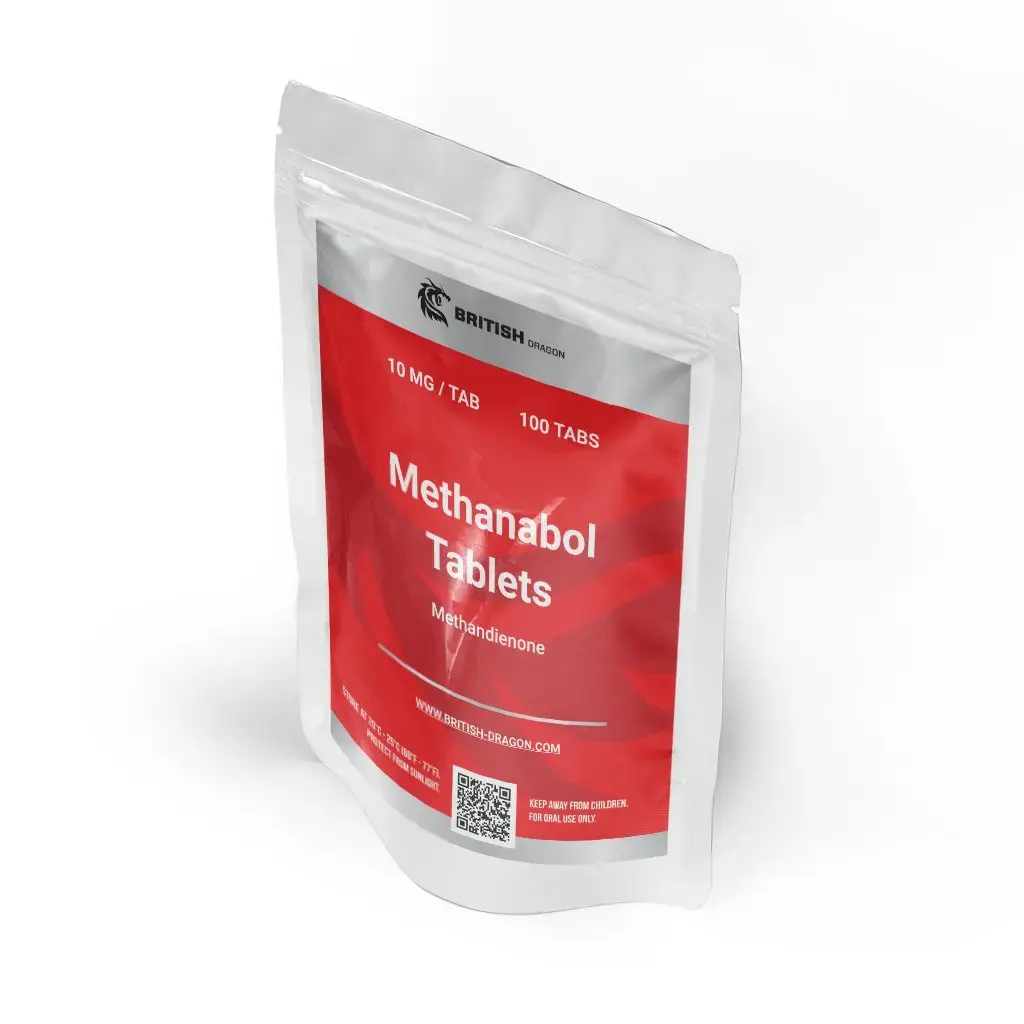
Methanabol is an oral methandienone tablet manufactured by British Dragon and available in 10 mg, 20 mg, and 50 mg strengths, supplied in packs of 100 tablets.
Methanabol contains methandienone, also known as methandrostenolone or Dianabol, a potent oral anabolic-androgenic steroid first developed in the 1950s. Methandienone is a derivative of testosterone modified with a 17α-methyl group that allows it to survive first-pass metabolism in the liver, enabling oral bioavailability. The compound is recognized for its strong anabolic effects and its ability to promote rapid gains in muscle mass and strength.
In clinical medicine, methandienone was historically prescribed for conditions such as osteoporosis, pituitary dwarfism, and certain types of anemia. Medical use has largely declined due to its hepatotoxicity and the availability of safer alternatives. The compound is not approved for human use in the United States and is classified as a Schedule III controlled substance.
In non-medical bodybuilding and strength-sport contexts, methandienone is commonly referenced as a foundational bulking compound. A double-blind study of trained athletes demonstrated that methandienone at 100 mg/day significantly increased body weight, total body potassium, and nitrogen, with increases in muscle size and leg performance. However, the study also noted that the weight gain was not solely attributable to normal muscle tissue, implying gains in nitrogen-rich, phosphate-poor substances. Such use falls outside approved indications and carries substantial risks including liver toxicity, estrogenic side effects, and cardiovascular strain.
Methandienone is a 17α-alkylated oral anabolic steroid with strong anabolic and moderate androgenic properties, known for promoting rapid gains in mass and strength.
Methandienone is a testosterone derivative modified with a methyl group at the 17α position, which protects the molecule from hepatic first-pass metabolism and allows it to be taken orally. This structural modification is also responsible for its significant hepatotoxicity, as 17α-alkylated steroids are associated with cholestatic jaundice, elevated liver enzymes, and rarely more serious hepatic complications.
The compound binds to androgen receptors in muscle tissue, triggering increased protein synthesis, nitrogen retention, and glycogenolysis. Clinical research from 1975 demonstrated that methandienone at 10 mg/day or 25 mg/day improved athletic performance under conditions of diet and exercise close to actual competition preparation, with significant increases in body weight. The same study noted that body weight tended to return quickly to initial levels after withdrawal, suggesting the gain may have been due more to water retention than to increased muscle mass.
A separate double-blind crossover trial using 100 mg/day of methandienone in weight-lifters found significant increases in body weight, potassium, nitrogen, muscle size, and leg performance during drug treatment periods but not during placebo. The researchers concluded that the weight gain was not solely attributable to normal muscle tissue, implying gains in nitrogen-rich, phosphate-poor substances.
Methandienone was historically prescribed for certain medical conditions but has largely been withdrawn due to hepatotoxicity and the availability of safer alternatives. It is not approved for human use in the United States and is classified as a Schedule III controlled substance.
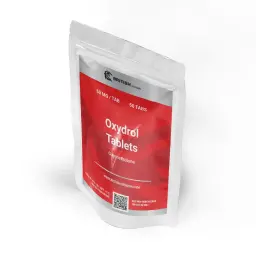
British Dragon offers several oral compounds with distinct characteristics. Oxanabol contains oxandrolone, a milder oral with primarily anabolic activity and a more favorable safety profile. Stanabol 10 contains stanozolol, a non-17α-alkylated oral with lower liver toxicity. Oxydrol contains oxymetholone, another potent oral for mass gains.
Methanabol's distinguishing characteristic among these compounds is its strong anabolic effect combined with rapid onset, making it a commonly referenced option for the initial weeks of a bulking phase. However, its 17α-alkylation means it carries higher hepatotoxicity than non-alkylated orals.
The information below is provided for educational reference only. Methandienone is not approved for human use in the United States; non-medical use falls outside approved indications and carries significant risks.
In clinical research, methandienone has been studied at doses of 10 mg/day and 25 mg/day in trained athletes, with improvements in performance and significant weight gain observed. A separate trial used 100 mg/day in weight-lifters, finding significant increases in body weight, muscle size, and leg performance. In non-medical bodybuilding contexts, community-reported protocols typically reference doses ranging from 20 to 50 mg daily, often divided into multiple doses throughout the day due to the compound's relatively short half-life.
| Use Case | Common Reference Range | Frequency |
|---|---|---|
| Clinical (low dose research) | 10 mg | Once daily |
| Clinical (moderate dose research) | 25 mg | Once daily |
| Clinical (high dose research) | 100 mg | Once daily |
| Non-medical (reported) | 20–50 mg | Divided doses throughout day |
These non-medical ranges represent community-reported practices and are not derived from controlled clinical trials for performance enhancement. The clinical study using 100 mg/day noted that the weight gain produced was not normal muscle, and side effects including blood pressure increases and reduced sexual activity were observed.
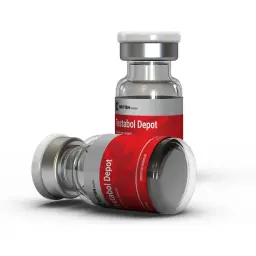
In non-medical bodybuilding contexts, methandienone is frequently referenced as a "kick-start" compound for the first 4–6 weeks of a bulking cycle, stacked with an injectable testosterone base such as Testabol Depot or Testabol Enanthate. The rationale is that methandienone produces rapid strength and mass gains while the slower-acting injectable builds up in the system.
Because methandienone aromatizes to estrogen, an aromatase inhibitor such as Anastrozole or Exemestane is often referenced in non-medical contexts to manage estrogenic side effects including water retention and gynecomastia. Cycle duration is typically limited to 6–8 weeks due to hepatotoxicity concerns.
Clinical trials have documented several adverse effects with methandienone. A 1975 study reported that three patients withdrew due to side effects on methandienone, including one man who fainted during lifting with a blood pressure of 150/110 mm Hg. Other side effects noted included reduced sexual activity, acne, headache, dizziness, and nausea.
A separate trial using 100 mg/day observed a case of rising blood pressure and one case of "urethritis" leading to withdrawal. In non-medical contexts, methandienone is associated with hepatotoxicity, significant estrogenic side effects due to aromatization, and cardiovascular strain including blood pressure increases.
Methandienone suppresses endogenous testosterone production, requiring post-cycle therapy to restore natural hormone levels. In non-medical contexts, PCT protocols typically involve SERMs such as Clomiphene or Tamoxifen, beginning after the compound has cleared the system. The clinical study using 100 mg/day noted that gains were usually maintained for some weeks after stopping the drug, but then followed a period of relative weakness which may last for several weeks.
Methandienone has no approved human use for performance enhancement. Any information about non-medical use is derived from user-reported practices and is not validated by controlled clinical research. This information does not constitute medical advice.
Methandienone is a potent oral anabolic steroid with significant hepatotoxicity and cardiovascular risks. It is not approved for human use in the United States.
Methandienone is a 17α-alkylated anabolic steroid, a structural class associated with significant hepatotoxicity. Clinical use has largely been discontinued due to these risks. The compound is not approved for human use in the United States and is classified as a Schedule III controlled substance.
Clinical trials have documented that methandienone increases blood pressure, with one study reporting a case of blood pressure rising from 125/85 to 130/105 mm Hg and an episode of fainting during lifting at 150/110 mm Hg. Another trial noted a case of rising blood pressure requiring withdrawal.
Non-medical use of methandienone falls outside approved indications and carries substantial risks. Product purity does not establish that non-medical use is safe or appropriate for an individual.
Clinical research has documented multiple adverse effects with methandienone. A 1975 double-blind study reported reduced sexual activity, acne, headache, dizziness, and nausea among participants, with three patients withdrawing due to side effects including a hypertensive episode and fainting during lifting. All side effects disappeared within two weeks of stopping the drug.
A separate trial using 100 mg/day observed a case of rising blood pressure and one case of "urethritis" leading to withdrawal. The study also noted that although weight and strength increased, the weight gain was not normal muscle tissue, implying gains in nitrogen-rich, phosphate-poor substances.
In non-medical contexts, methandienone is associated with hepatotoxicity, significant estrogenic side effects due to aromatization (including gynecomastia and water retention), and suppression of endogenous testosterone production.
Methandienone is not appropriate for individuals with pre-existing liver disease, cardiovascular conditions, or prostate cancer. Its use is contraindicated in pregnancy due to risk of fetal harm and virilization. Blood pressure and liver function should be monitored during any research or non-medical use.
Because methandienone has no approved human therapeutic use in the United States, no standardized monitoring protocols exist. Clinical research settings have monitored blood pressure, liver function, and hematological parameters. In non-medical contexts, bloodwork including liver enzymes, lipids, and blood pressure monitoring is commonly referenced.
Store tablets in a cool, dry place in the original packaging. Keep out of reach of children. Inspect tablets before use and do not use if they appear damaged or compromised.
Methanabol is supplied through the official British Dragon distribution chain and shipped in original manufacturer packaging with discreet, privacy-focused handling.
The outer shipping package remains discreet, with privacy-focused handling and no unnecessary external product details. Products are supplied through the official British Dragon distribution chain.
To verify your Methanabol product, use the security code on the packaging and cross-check it on the British Dragon official site. Official British Dragon presentation and original packaging help reinforce product legitimacy and buyer confidence.
For complete delivery details, tracking policy, and reshipment terms, please see our Shipping Info page.
Proper storage conditions help preserve tablet stability and overall product integrity throughout shelf life.
Store at controlled room temperature (15–25°C) in a cool, dry place, away from direct light and moisture. Keep tablets in their original packaging until use to protect from humidity.
Inspect tablets before use and do not use if they appear discolored, cracked, or otherwise compromised. Keep out of reach of children.
Answers to common questions about Methanabol, the Methandienone compound, and its applications.
Methanabol contains methandienone, a potent oral anabolic steroid. It was historically prescribed for certain medical conditions but is no longer approved for human use in the United States. In non-medical bodybuilding contexts, it is commonly referenced for rapid gains in muscle mass and strength during bulking phases, though such use falls outside approved indications.
Clinical research has used doses of 10 mg/day and 25 mg/day in trained athletes, with a separate trial using 100 mg/day. In non-medical contexts, methandienone is commonly referenced at 20–50 mg daily, divided into multiple doses throughout the day due to its relatively short half-life. These non-medical practices are not derived from controlled clinical trials for performance enhancement.
Yes, methandienone suppresses endogenous testosterone production, requiring post-cycle therapy to restore natural hormone levels. In non-medical contexts, PCT protocols typically involve SERMs such as Clomiphene or Tamoxifen. The clinical study using 100 mg/day noted that gains were usually maintained for some weeks after stopping the drug, but then followed a period of relative weakness.
Methandienone binds to androgen receptors in muscle tissue, triggering increased protein synthesis, nitrogen retention, and glycogenolysis. Clinical research has demonstrated significant increases in body weight, total body potassium, and nitrogen, with increases in muscle size and leg performance. However, the weight gain produced is not normal muscle, implying gains in nitrogen-rich, phosphate-poor substances.
Clinical trials have used treatment periods of 6 weeks, with significant increases in body weight, muscle size, and performance observed during drug treatment periods but not during placebo. In non-medical contexts, users commonly report strength and weight gains beginning within the first 1–2 weeks of use.
There is no universally established "best" bulking steroid, and methandienone has not been validated in controlled trials for performance outcomes in the modern era. Its strong anabolic effect and rapid onset make it a commonly referenced option for bulking, but its hepatotoxicity and estrogenic side effects are significant drawbacks.
Methanabol and Oxanabol have different characteristics. Methandienone is a potent bulking compound that aromatizes to estrogen and is 17α-alkylated, while oxandrolone is a milder oral with primarily anabolic activity and a more favorable safety profile. They are used for different purposes in non-medical contexts.
Methanabol and Stanabol 10 are both oral steroids but differ significantly. Methandienone is a 17α-alkylated bulking compound that aromatizes, while stanozolol is a non-17α-alkylated oral with lower liver toxicity that does not aromatize. They produce different types of gains and have different side effect profiles.
Methanabol is available in 10 mg, 20 mg, and 50 mg strengths. A 50 mg tablet represents the highest single-tablet strength available. Clinical research has used doses of 10 mg/day and 25 mg/day, while a separate trial used 100 mg/day. In non-medical contexts, 20–50 mg daily is commonly referenced.
Methanabol is labeled at 10 mg, 20 mg, or 50 mg of methandienone per tablet. It is supplied as oral tablets in packs of 100 tablets manufactured by British Dragon.
No. Methandienone is a 17α-alkylated anabolic steroid, a structural class associated with significant hepatotoxicity. Clinical use has largely been discontinued due to these risks. Liver function monitoring is commonly referenced in non-medical contexts, and cycle duration is typically limited due to hepatotoxicity concerns.